
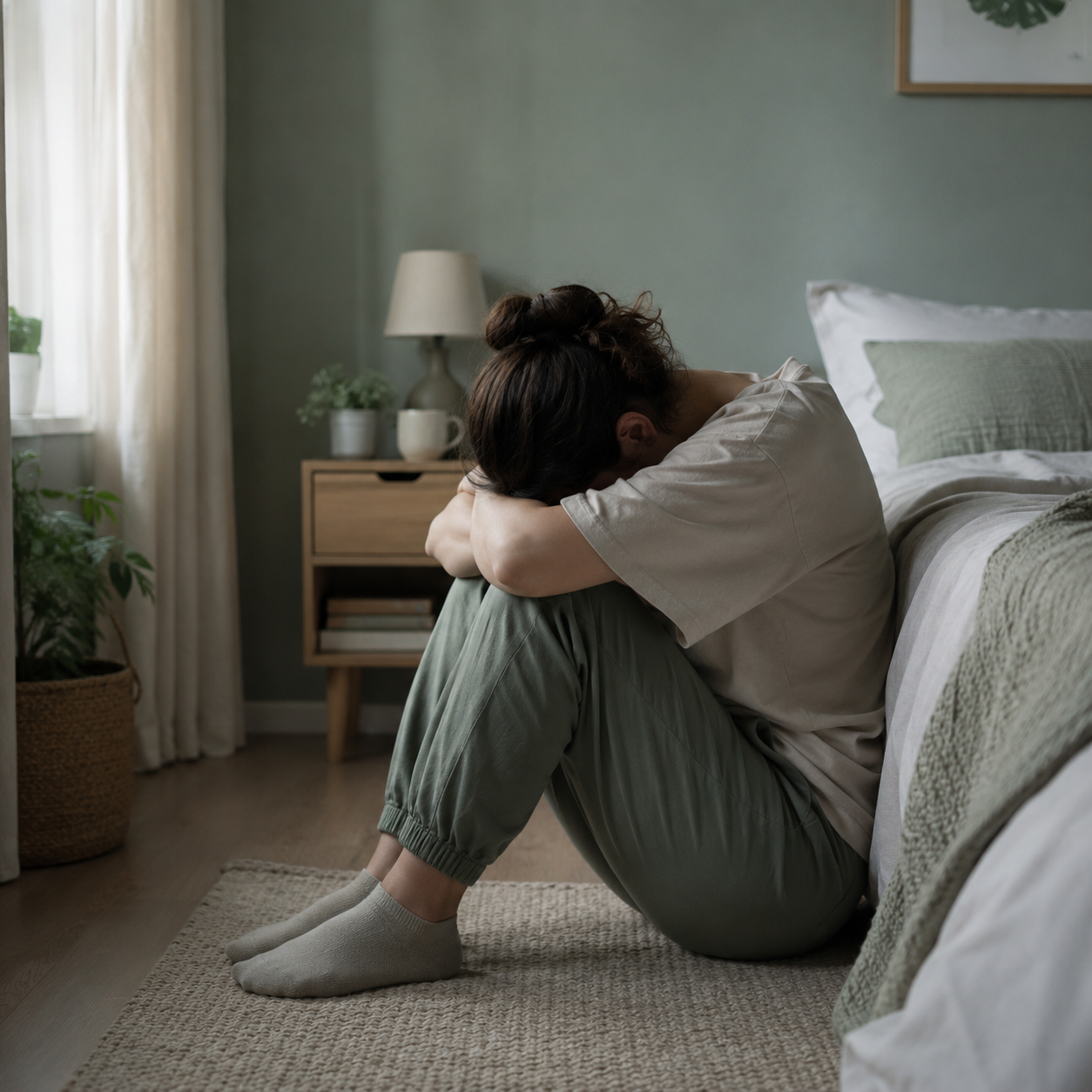
What is Depression?
Depression is more than feeling sad or having a difficult day. It can affect how a person thinks, feels, sleeps, eats, relates to others, and moves through daily life. Depression may bring a heavy sense of sadness, emptiness, numbness, exhaustion, hopelessness, irritability, guilt, or disconnection from things that once felt meaningful.
Depression can happen for many reasons. It may be connected to grief, trauma, stress, family history, medical concerns, major life changes, relationship struggles, spiritual distress, burnout, loneliness, or long seasons of carrying too much without enough support. For some people, depression comes in waves. For others, it can feel like a constant weight that is hard to explain.
Depression is not a weakness, a lack of faith, or a personal failure. It is a real mental health concern, and support can help. Healing often begins with being heard, understood, and gently supported toward hope, connection, and manageable next steps.
Major Depression
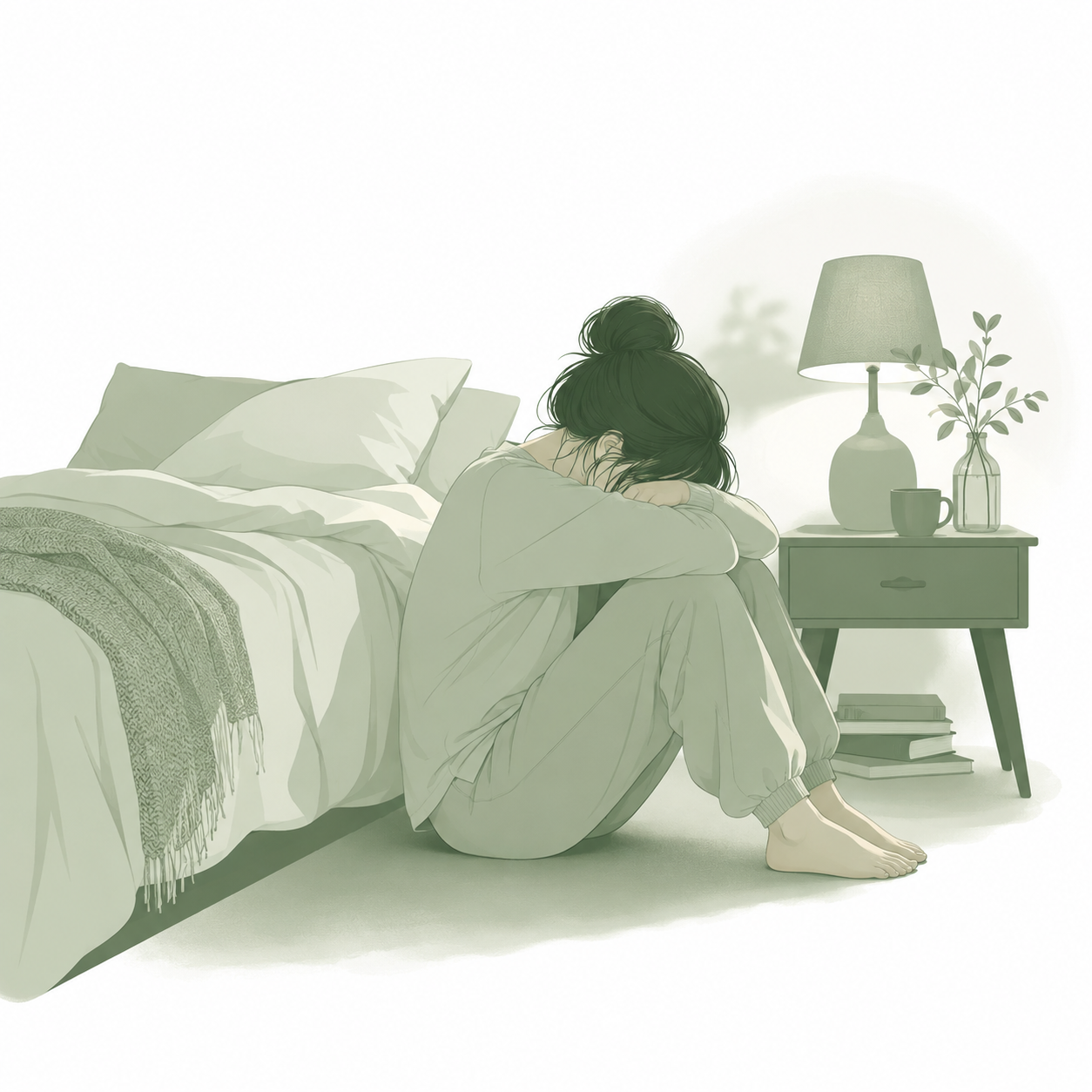
Major depression can involve a persistent low mood, loss of interest, low energy, changes in sleep or appetite, difficulty concentrating, feelings of worthlessness, and a sense that daily life feels hard to manage. It can affect work, school, relationships, faith, and a person’s ability to feel like themselves.
Postpartum and Perinatal Depression
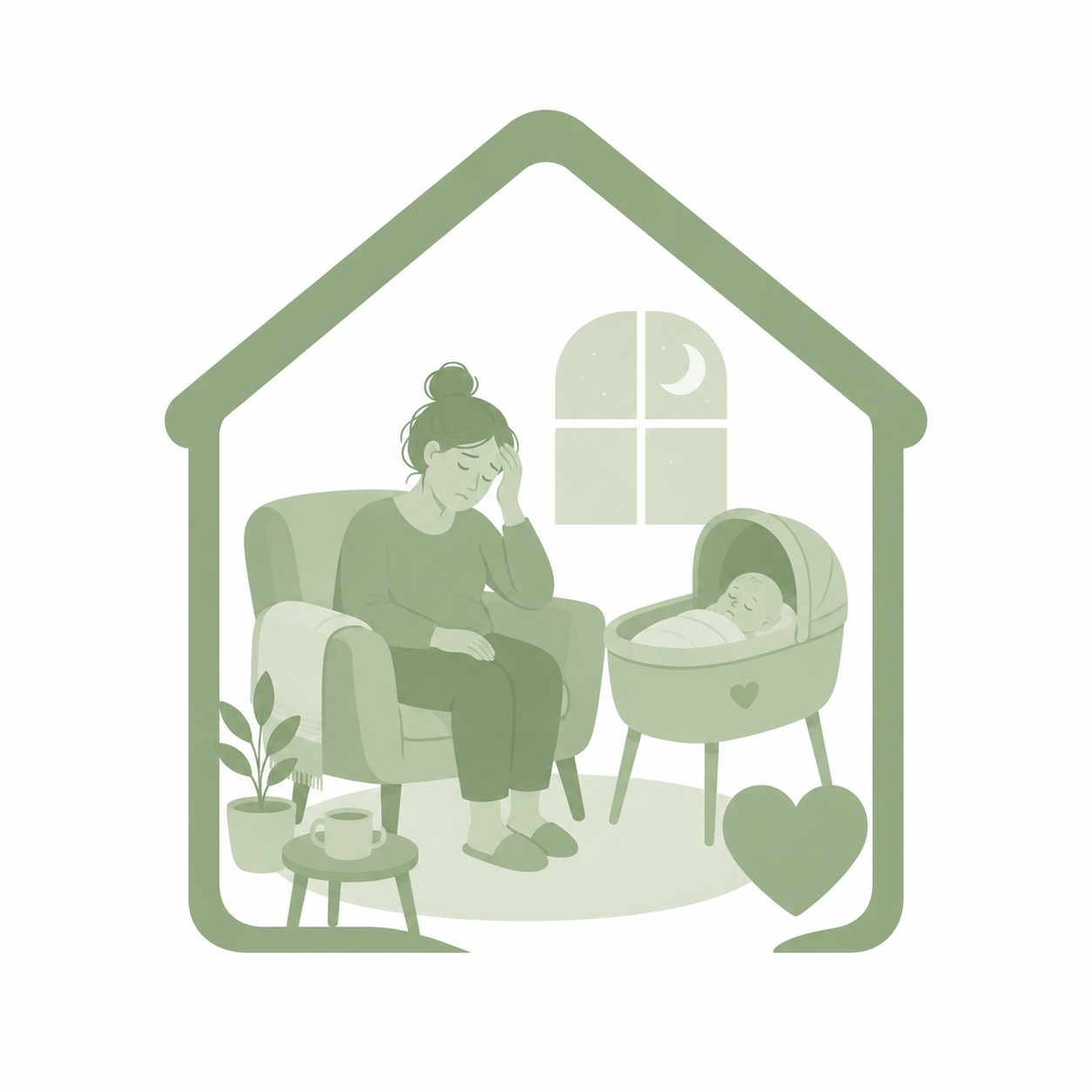
Postpartum and perinatal depression can occur during pregnancy or after the birth of a child. It can include sadness, anxiety, irritability, guilt, numbness, exhaustion, difficulty bonding, or feeling overwhelmed. This kind of depression does not mean someone is a bad parent. It means they need care, compassion, and support.
Seasonal Depression
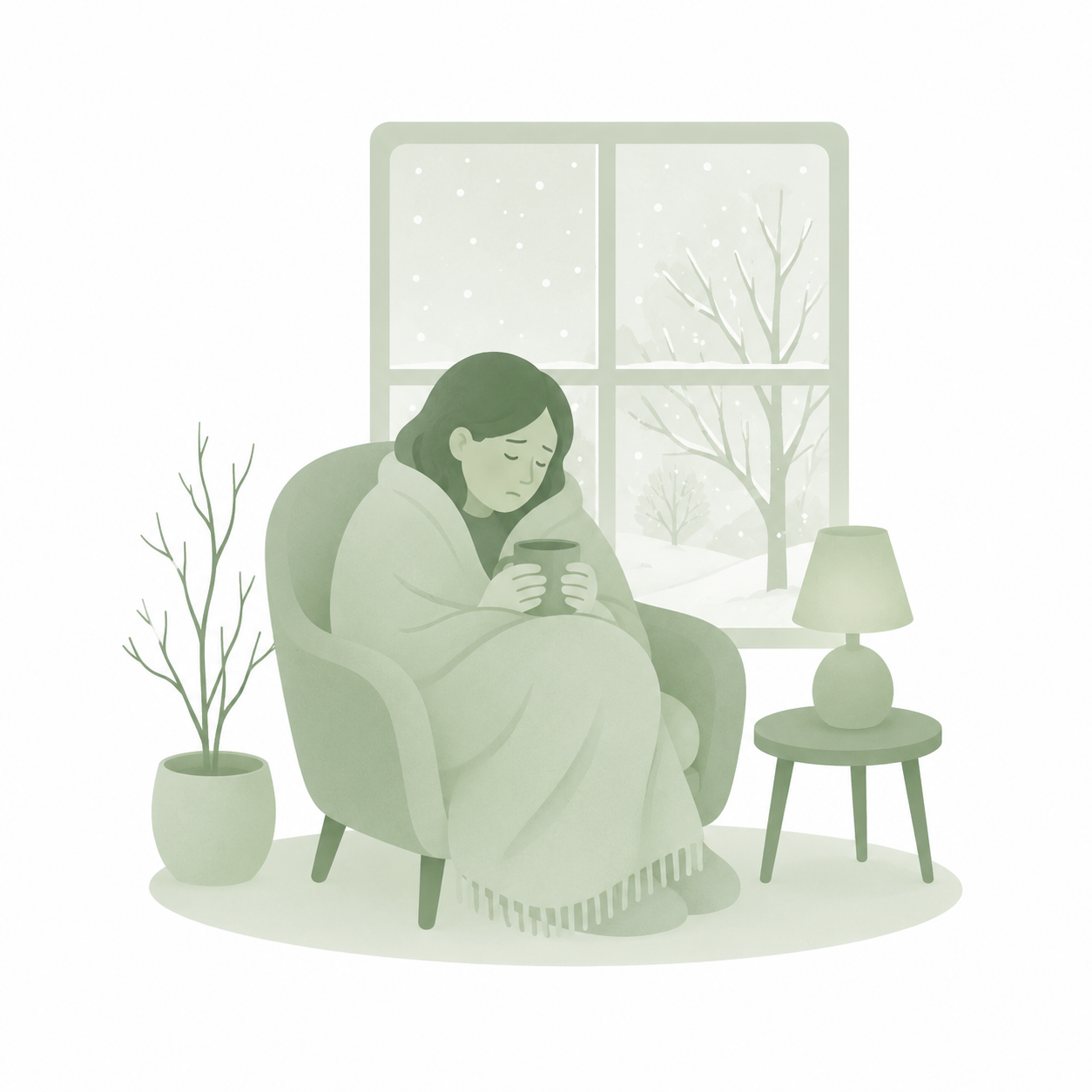
Seasonal depression, sometimes called Seasonal Affective Disorder, often appears during certain seasons, especially when there is less light. It may bring low mood, fatigue, changes in sleep, reduced motivation, and withdrawal from others. Seasonal depression can be especially difficult because it may return around the same time each year.