
Your Questions Answered

What is counselling and how does it work?
Counselling is a safe, confidential, and supportive space where you can talk through what you are carrying with a trained mental health professional. It gives you room to slow down, explore your thoughts and emotions, understand patterns in your life and relationships, and begin to move toward healing and change. In counselling, we work together to identify what matters most to you, develop meaningful goals, and find practical and compassionate ways forward.

How do I know if counselling might be helpful for me?
You do not need to be in crisis to come to counselling. Many people reach out because they feel overwhelmed, anxious, discouraged, stuck, disconnected, or unsure of how to move forward. Others come because they are navigating grief, trauma, relationship concerns, family stress, spiritual questions, or a season of transition. Counselling can also be helpful when you simply need a safe place to be heard, supported, and understood.

What should I expect in the first session?
The first session is a gentle starting place. We will review your intake form, talk about what brought you to counselling, and begin to explore what you are hoping for in our work together. You do not need to have everything figured out before you arrive. You are welcome to share at your own pace, ask questions, and begin wherever you are. My goal is to help the first session feel clear, respectful, and as comfortable as possible.

What is Scope of Practice?
As a Registered Psychotherapist (Qualifying) with the College of Registered Psychotherapists of Ontario, I provide psychotherapy and counselling within my education, training, competence, and supervised practice. My work focuses on supporting individuals, couples, and families as they navigate concerns such as grief and loss, trauma, anxiety, depression, emotional overwhelm, relationship struggles, family patterns, spiritual questions, life transitions, and personal growth. When a client’s needs fall outside of my scope of practice, I will discuss this with care and transparency and, when appropriate, provide referrals to another professional or service better suited to their needs.

What is Clinical Supervision?
As a Registered Psychotherapist (Qualifying), I practise with clinical supervision in accordance with CRPO requirements. Supervision is an important part of ethical and responsible care, offering space for clinical reflection, accountability, professional growth, and client-centred decision making. While client confidentiality is always respected, supervision allows me to consult on my work in a way that supports safe, thoughtful, and effective counselling. This means clients receive care that is not only compassionate and relational, but also grounded in professional oversight and ongoing learning.
Is counselling confidential?
Yes. What you share in counselling is private and confidential. Before we begin, I will explain confidentiality clearly, including the legal and ethical limits to confidentiality. These limits usually relate to safety concerns, such as risk of harm, protection of a child or vulnerable person, or situations where records are required by law. My goal is to be transparent from the beginning so you understand both your privacy and the responsibilities I hold as a therapist.

Do parents or caregivers need to be involved if the client is under 18?
When working with minors, I believe it is important to balance privacy, safety, and support. Depending on the age of the client and the situation, a parent or caregiver may be involved at the beginning of counselling to help provide background, clarify concerns, and support the counselling process. At the same time, it is important for young people to have a space where trust can be built and where they can speak honestly.
The level of parent or caregiver involvement will be discussed together and handled with care. I will explain confidentiality clearly, including what information stays private and what may need to be shared for safety or legal reasons. My goal is to support the young person while also helping families communicate and respond in ways that are healthy, respectful, and supportive.

How often do I come to counselling?
I often recommend beginning with weekly sessions when possible, especially at the start. Weekly sessions can help build trust, consistency, and momentum in the counselling process. Over time, we may decide together to shift to bi-weekly sessions or another rhythm that better fits your needs, goals, schedule, and capacity.

How long does counselling last?
The length of counselling is different for each person. Some clients come for a short period of time to focus on a specific concern, while others choose longer-term counselling for deeper healing, growth, and support. We will check in along the way to make sure counselling continues to feel helpful and aligned with your goals.
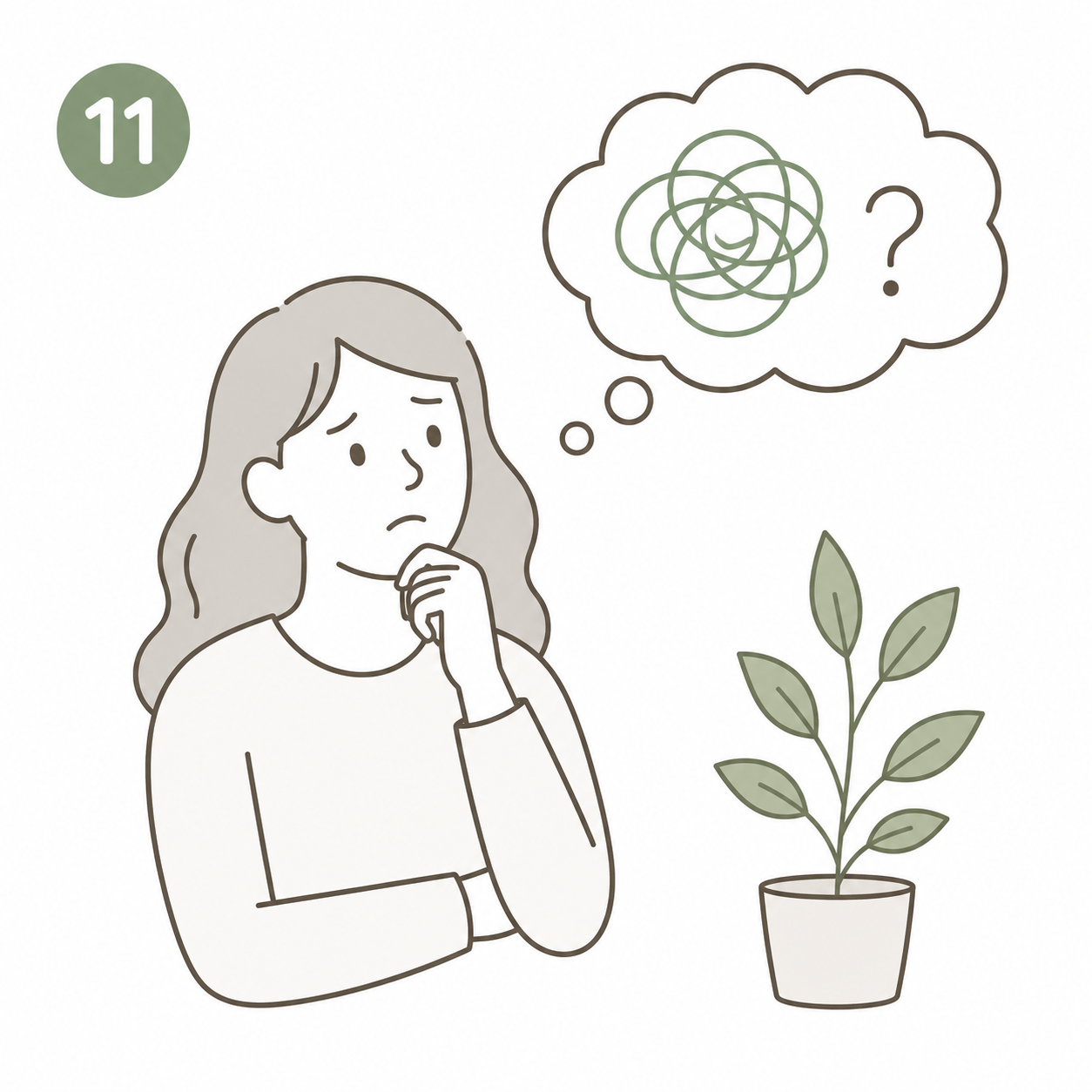
What if I do not know what to talk about?
That is completely okay. You do not need to arrive with a perfectly organized list of concerns or know exactly where to begin. Sometimes the first step is simply showing up. I will help guide the conversation, ask thoughtful questions, and create space for what matters to emerge at a pace that feels manageable.

What if I have had a difficult experience in counselling before?
It makes sense to feel hesitant if counselling has not felt safe, helpful, or supportive in the past. The relationship between client and therapist matters deeply. You are welcome to share concerns, ask questions, name what has not worked for you before, and take time to build trust. My hope is to offer a counselling space that feels respectful, collaborative, and grounded in care.






What if we meet and I do not feel like it is the right fit?
Finding the right therapist is important. If we meet and you do not feel that I am the right fit for you, that is okay. I want clients to work with someone they feel comfortable with and supported by. When possible, I am happy to provide referrals or suggest other options that may better meet your needs.
Do you offer faith-integrated counselling?
Yes, for clients who wish to include faith as part of the counselling process, I am able to integrate faith respectfully and collaboratively. This may include exploring questions of meaning, identity, grief, hope, spiritual struggle, or the role faith plays in your life and healing. For clients who do not wish to include faith, counselling remains client-centred, clinically grounded, and focused on the goals that matter most to you.
Do you offer in-person and virtual sessions?
RLN Counselling Services currently offers online counselling sessions only. Virtual appointments allow clients to access counselling from a private and comfortable space while still receiving supportive, confidential, and professional care.
How do I get started?
You can begin by reaching out by phone or email to request a free 15-minute consultation, or you may book a session directly through the Jane app. Once your first session is scheduled, you will receive an intake form to complete before we meet. This helps me learn a little about your background, what brings you to counselling, and what you may be hoping for as we begin.
What is the cancellation policy?
I understand that life happens and that unexpected situations can come up. If you need to cancel or reschedule an appointment, please provide at least 24 hours’ notice whenever possible. Sessions cancelled with less than 24 hours’ notice, or missed appointments, may be charged the full session fee. This policy helps protect the time set aside for your care while also allowing space to offer that appointment time to another client when possible.